Phi Phi Sand Sea View Resort
Tonsai Village · 0.3 km from the centre
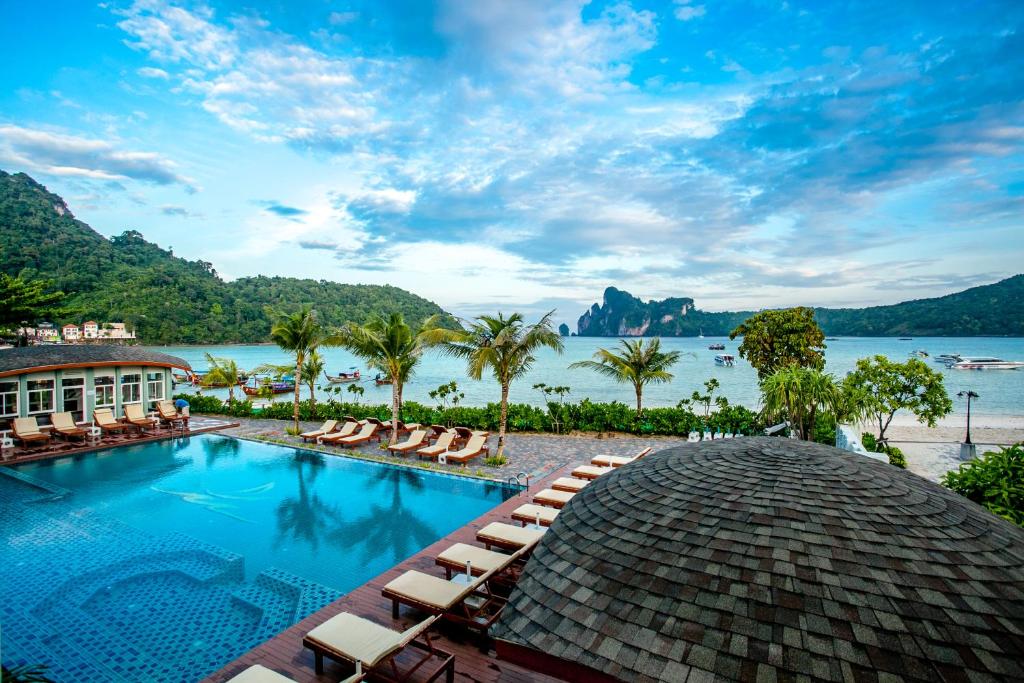
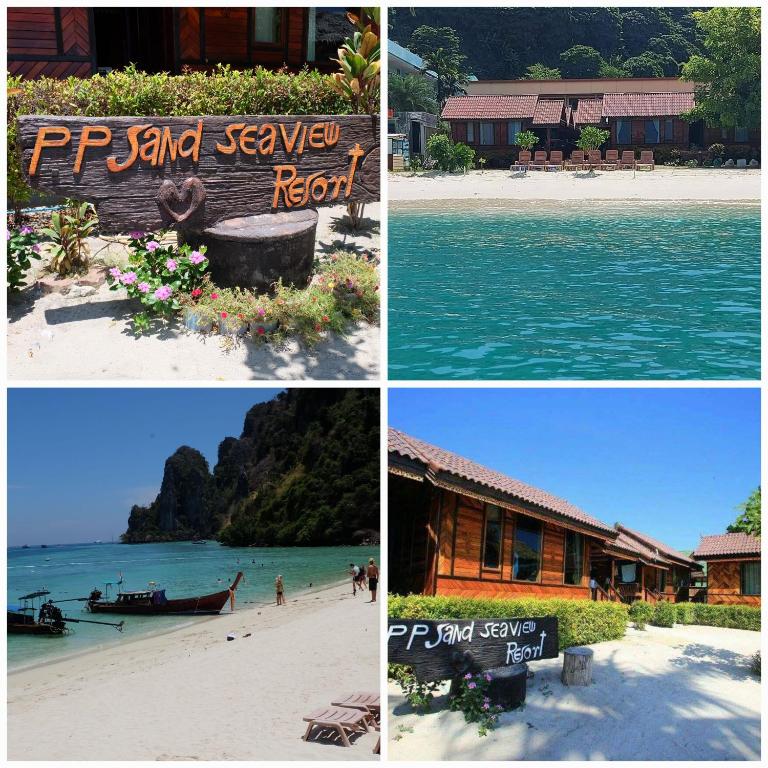
A beachfront resort in Tonsai Village, Koh Phi Phi, with double and twin bungalows, a family room, a tour desk and access to fishing and diving.
57 accommodations
Tonsai Village · 0.3 km from the centre
A beachfront resort in Tonsai Village, Koh Phi Phi, with double and twin bungalows, a family room, a tour desk and access to fishing and diving.
Tonsai Village · 0.4 km from the centre
Three-star hotel in Tonsai Village on Koh Phi Phi, with air-conditioned rooms, city and mountain views, a family option and beaches within 200 m.
Tonsai Village · 0.4 km from the centre
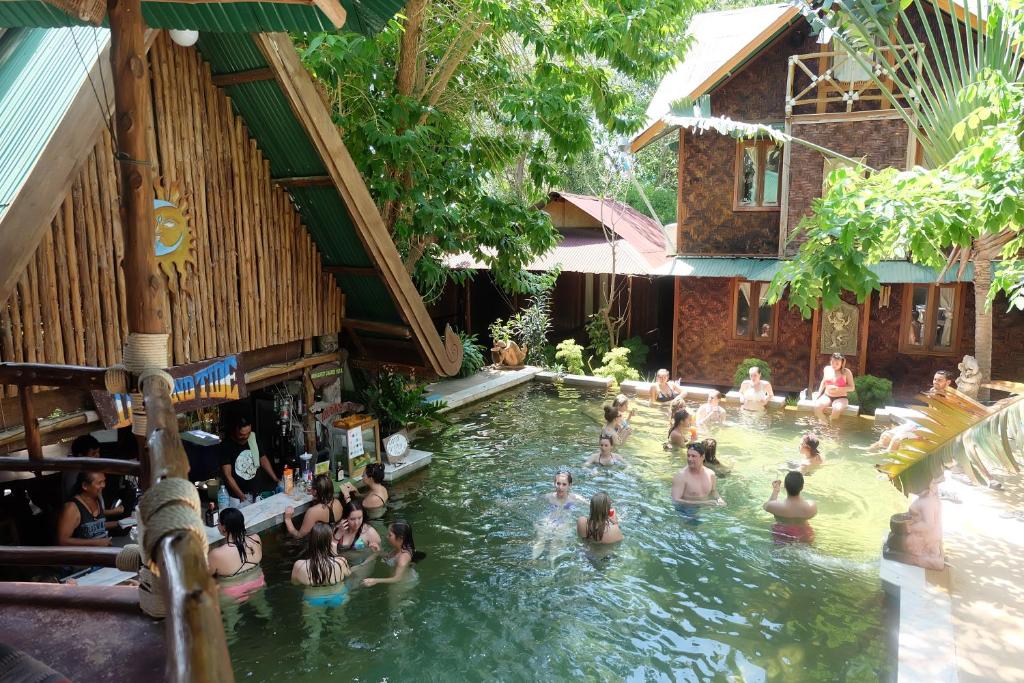
A Thai-style hotel in Tonsai Village on Koh Phi Phi, with direct pool-access rooms, a swim-up bar, fitness facilities and beaches close by.
Tonsai Village · In the centre
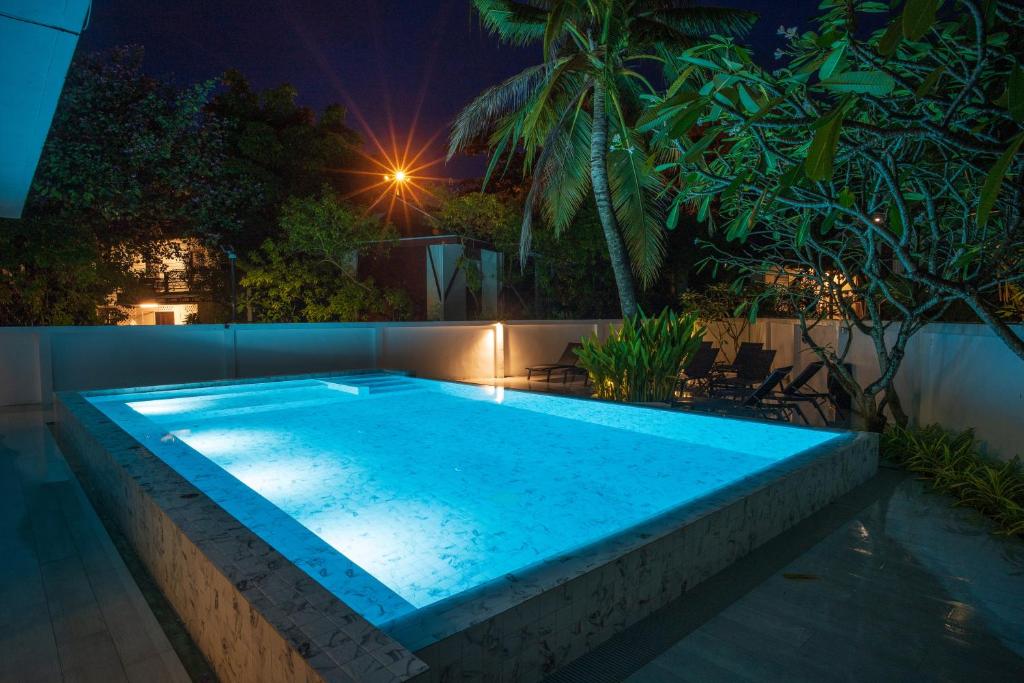
A 3-star hotel in Tonsai Village, Koh Phi Phi, with an outdoor pool, balcony rooms with sea or garden views, and four restaurants.
Tonsai Village · 0.5 km from the centre
An adults-only beachfront resort in Tonsai Village on Koh Phi Phi, with sea- and garden-view rooms, a buffet breakfast, a sandy shore and pier luggage assistance.
Tonsai Village · In the centre
A 3-star hotel in Tonsai Village on Koh Phi Phi, Phi Phi Hotel pairs a 50 m walk to Ton Sai Beach with a year-round pool, fitness centre and sea-view twin rooms.
Tonsai Village · 0.8 km from the centre
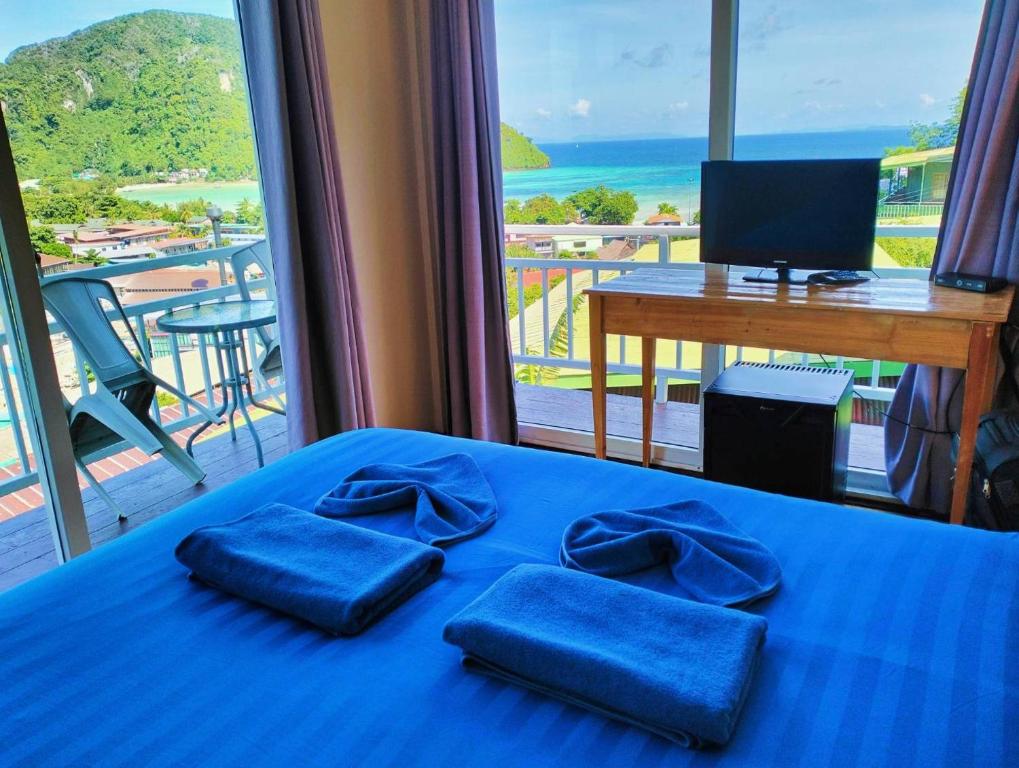
An adults-only hostel in Tonsai Village on Phi Phi Don, with sea-view balconies, private bathrooms, air-conditioned rooms and walking access to nearby beaches and viewpoints.
Tonsai Village · 0.8 km from the centre
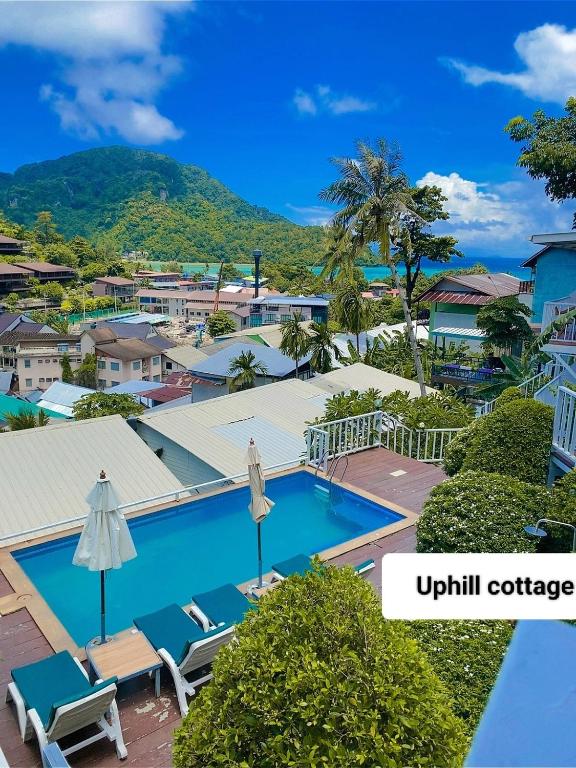
Uphill Cottage is a hillside lodge in Tonsai Village on Koh Phi Phi, with balcony views, an outdoor pool, a garden and a tour desk.
Tonsai Village · In the centre
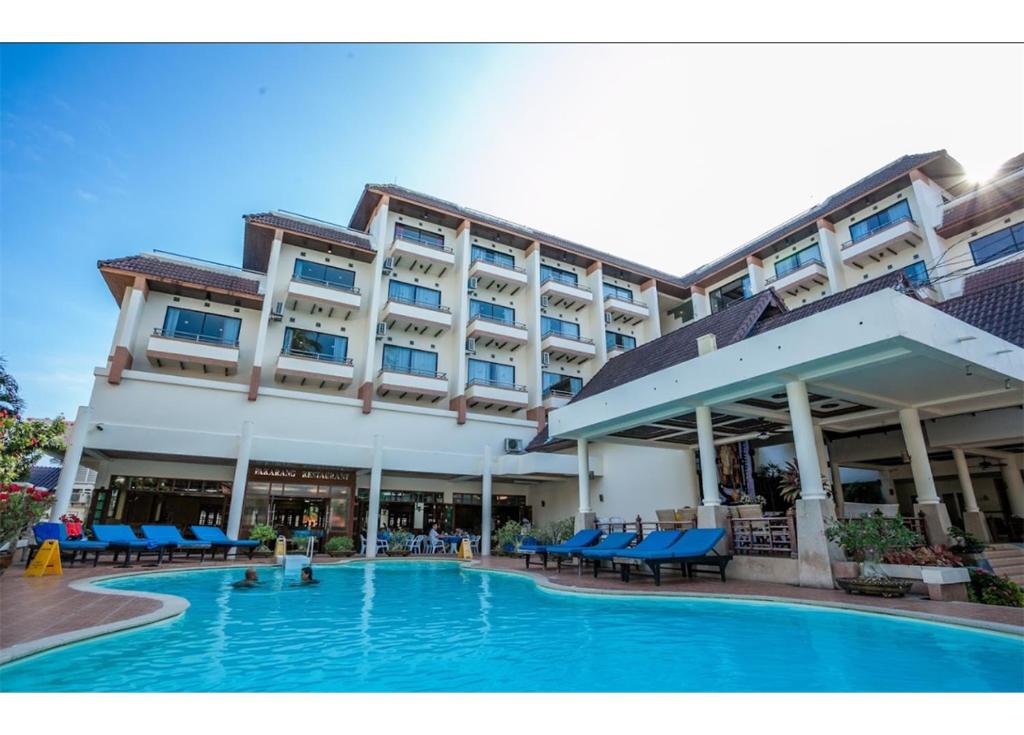
Four-star hotel in Tonsai Village, Koh Phi Phi, with pool-view rooms, an outdoor swimming pool, restaurant and bar, and Ton Sai Beach 50 m away.
Tonsai Village · In the centre
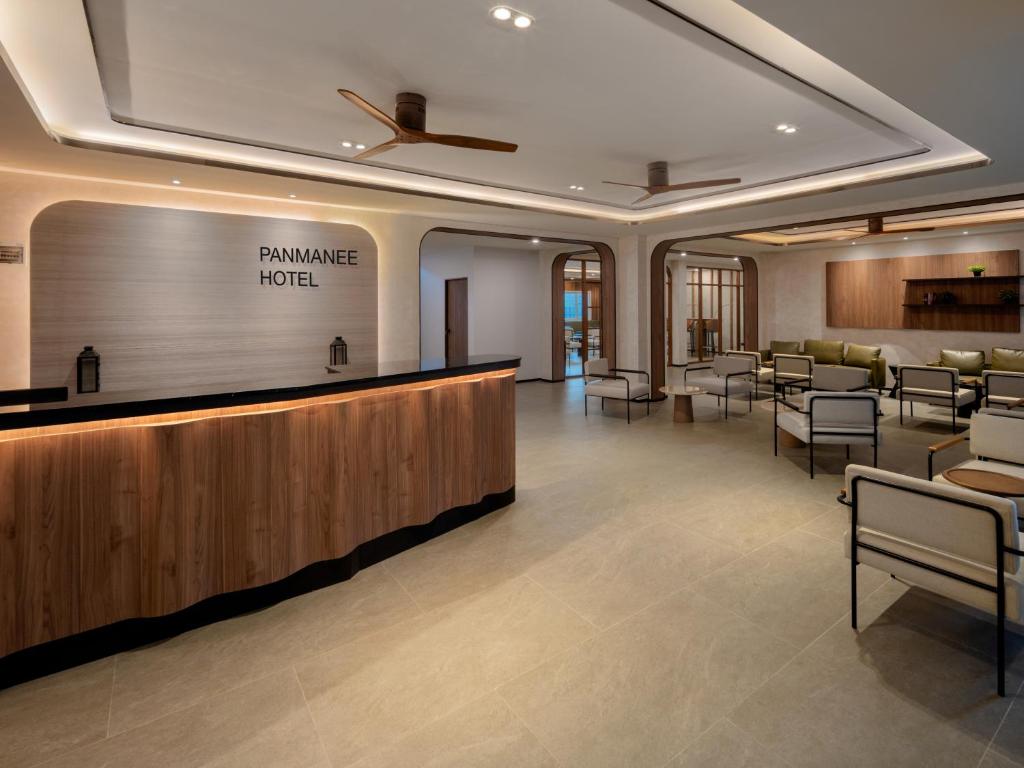
Panmanee Hotel is a 3-star hotel in Tonsai Village on Koh Phi Phi, with 26 m² room options, free WiFi and a tour desk 200 m from Tonsai Pier.
Tonsai Village · 0.3 km from the centre
Ton Sai Tropical Phi Phi Island is a 3-star hotel in Tonsai Village, Koh Phi Phi, with pool facilities, beach access, varied room views and a pier shuttle.
Tonsai Village · 0.8 km from the centre
A 2-star resort in Tonsai Village on Koh Phi Phi, with garden-view rooms, an outdoor pool, on-site dining and a choice of fan or air-conditioned accommodation.
Tonsai Village · 0.5 km from the centre
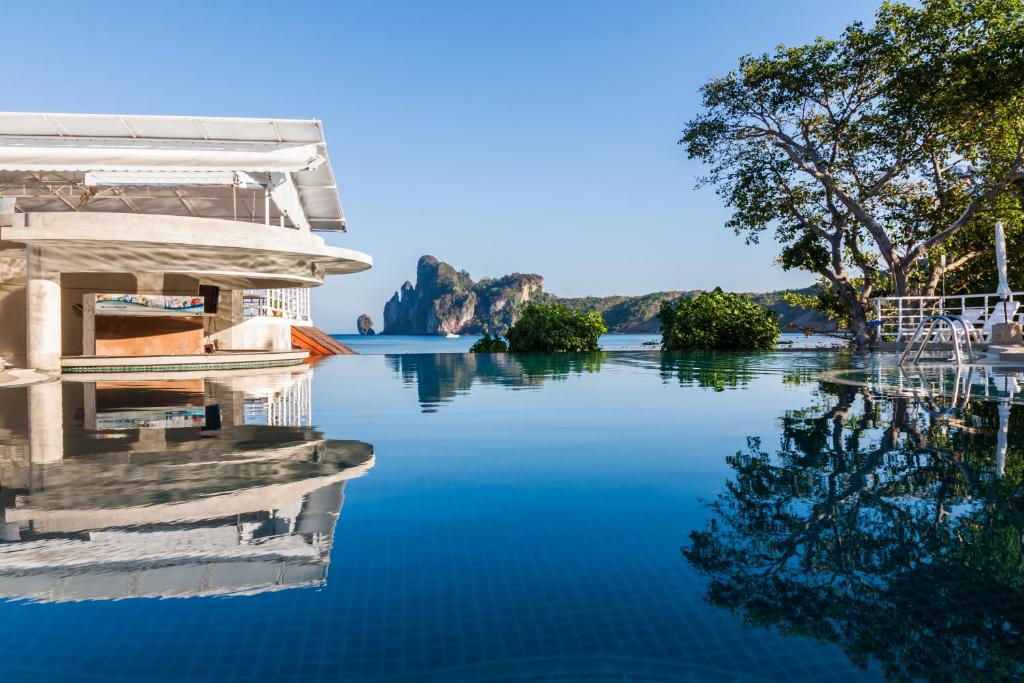
PP Charlie Beach Resort is a 3-star hotel in Tonsai Village on Koh Phi Phi, with a sea-facing pool, beachfront breakfast, on-site dining and access to nearby beaches.
Tonsai Village · In the centre
An adults-only guest house in Tonsai Village, Koh Phi Phi, with air-conditioned city-view rooms, private bathrooms, balconies and terraces, close to Ton Sai Beach and Phi Phi Marke...
Tonsai Village · 0.7 km from the centre
A 3-star hotel in Tonsai Village on Koh Phi Phi, with air-conditioned rooms, free WiFi, several triple-room layouts and a tour desk for water activities.
Tonsai Village · 0.5 km from the centre
A 3-star hotel in Tonsai Village, Koh Phi Phi, with balcony and terrace rooms, a tour desk, snorkelling and Loh Dalum Beach 150 m away.
Tonsai Village · 0.8 km from the centre
Coco's Guest House is a guest house in Tonsai Village on Koh Phi Phi, with family room options, a garden, free in-room WiFi and a tour desk.
Tonsai Village · In the centre
A beachfront hotel in Tonsai Village on Koh Phi Phi, Phi Phi at Pier has sea-view balcony rooms, a four-person family room, a terrace and an on-site restaurant and bar.
Tonsai Village · In the centre
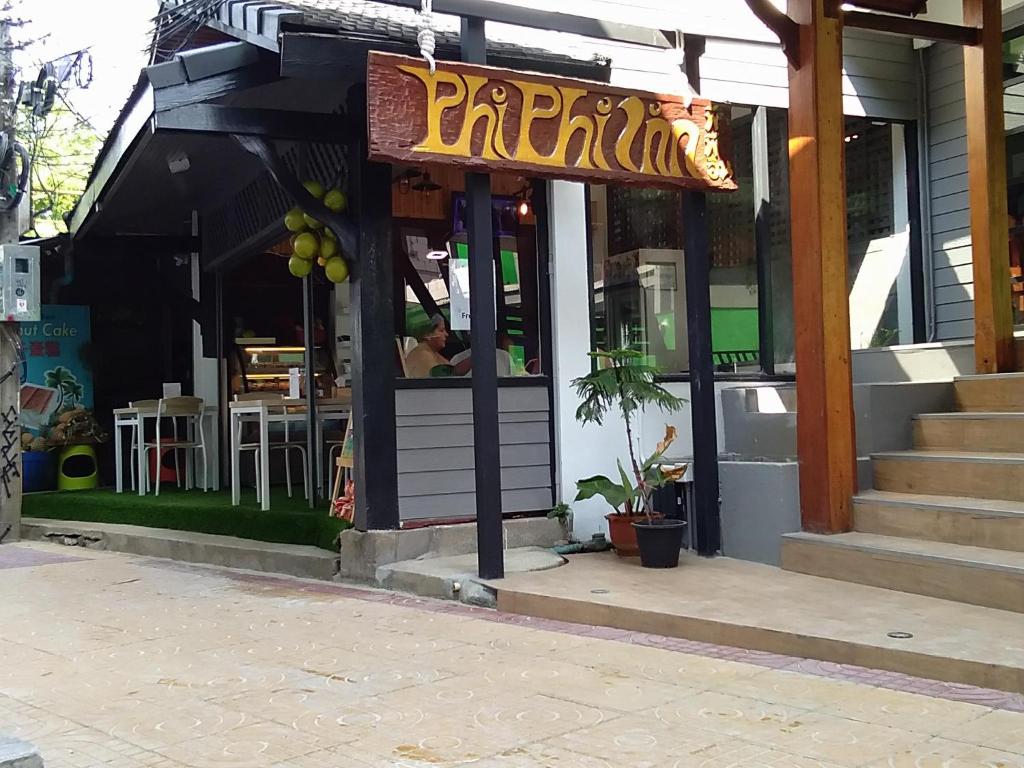
Phi Phi Inn is a guest house in Tonsai Village on Koh Phi Phi, with balcony rooms, family accommodation and a short walk to Tonsai Pier and nearby beaches.
Tonsai Village · 0.7 km from the centre
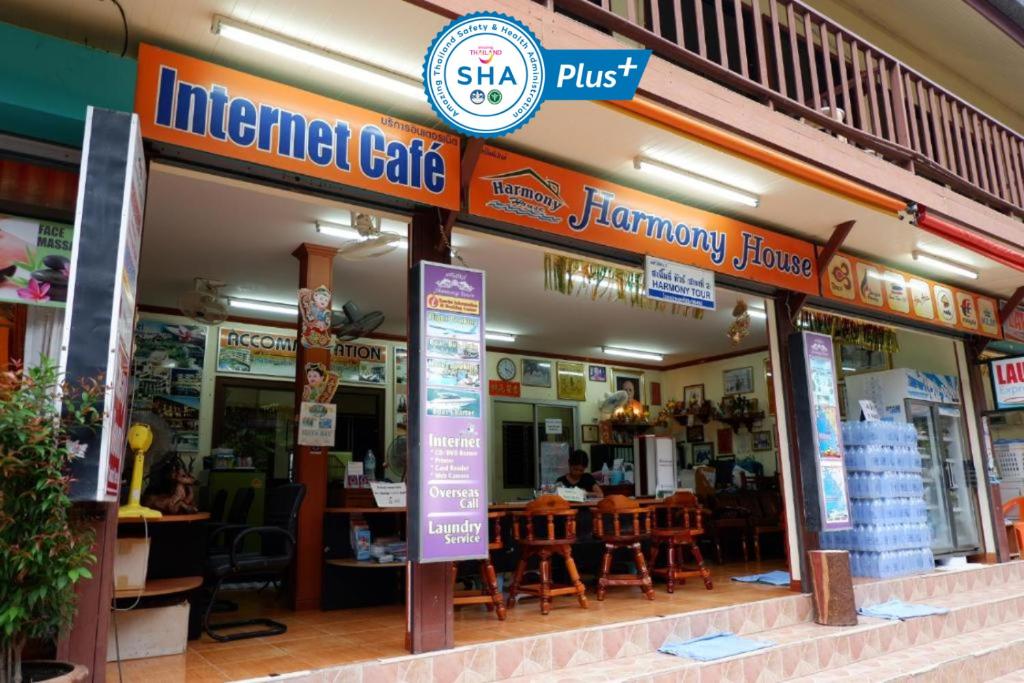
Harmony House is a hostel in Tonsai Village on Koh Phi Phi, with air-conditioned and fan-cooled rooms, private bathrooms, luggage storage and Loh Dalum Beach 250 m away.
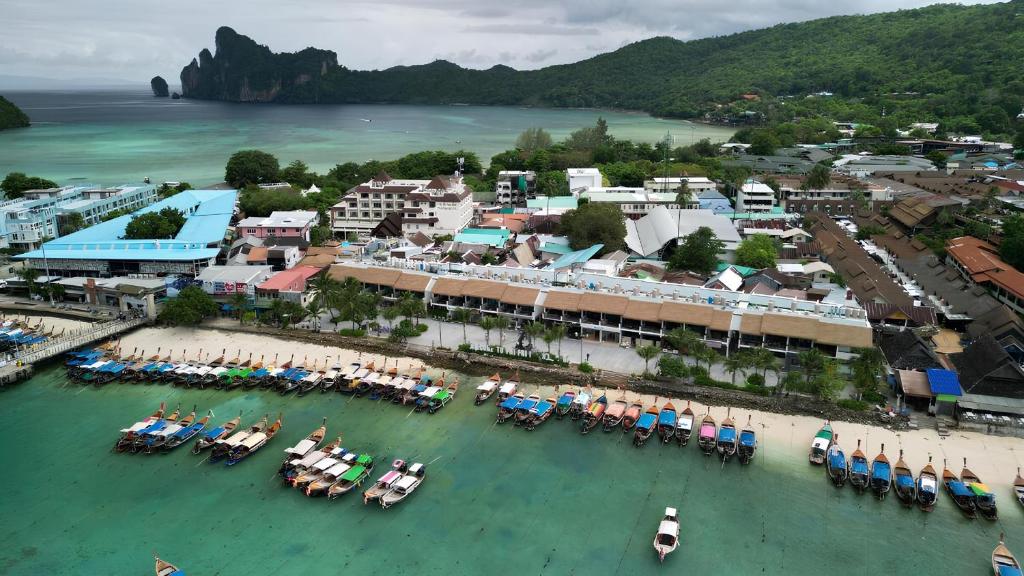
Tonsai Village (Ton Sai, or Ban Ko Phi Phi on Thai maps) is the settlement on the flat, sandy isthmus in the middle of Koh Phi Phi, where every ferry and speedboat lands. Tonsai Bay, facing south towards Phi Phi Leh, holds the pier and the island's boat harbour; about 300 m behind it, on the other side of the isthmus, lies Loh Dalum Bay. Between the two runs a dense web of pedestrian lanes with the market, the 7-Elevens and ATMs, the pharmacies and 24-hour clinics, the dive shops, the tour desks, the massage shops, the restaurants and most of the island's bars. It is the only place on Koh Phi Phi that feels like a town, and for most visitors it is where the stay begins and ends.
On this site the Tonsai Village zone covers the lanes of the isthmus, the hillside rooms on its eastern edge towards the viewpoints, and the beach resorts along Tonsai Bay from the pier to its western end, near the hospital and the Tonsai Tower climbing cliffs. The beachfront row on the Loh Dalum side and the western shore of Loh Dalum Bay have their own page.
Tonsai is the practical choice. Anyone arriving on the last boat or leaving on the first one sleeps here and walks to the pier with a bag in a few minutes. Divers stay here because the schools are here and the boats leave from the pier. First-time visitors like it because everything is within reach on foot: the viewpoint stairs start at the edge of the village, the long-tails for Maya Bay and Long Beach wait on the beach, and dinner is a two-minute walk from any room. It is also the cheapest part of the island, with the widest choice of small hotels, guesthouses and hostels.
It is not the place for peace and quiet. From late morning to mid-afternoon the lanes fill with day-trippers from Phuket and Krabi, and at night the bars near the beaches play music until 01:00 or 02:00; rooms set back in the lanes or up the slope are quieter than those next to the bars. Tonsai Bay itself is a working harbour in the middle, lined with long-tail boats, with roped swimming areas; the cleaner stretches for a swim are at the western end, beyond the pier, and at the eastern end towards Laem Hin.
The 57 properties listed in this zone are mostly small hotels, followed by guesthouses, hostels and a handful of resorts. Small hotels in the lanes, three to five floors of air-conditioned rooms, charge roughly 1,200 to 3,500 THB a night for a double, depending on the season and whether the room has a window or a view. Guesthouses and family-run rooms above shops start at about 800 THB. The hostels, several of them with bars or rooftop terraces, sell dormitory beds from about 300 to 700 THB and private rooms from about 1,000 THB. A few resorts with pools sit on the beach at the western end of Tonsai Bay and on the slopes behind the village, at about 2,500 to 5,000 THB, more in the peak weeks. Most rated properties here carry two or three stars. Each listing states the distance from the pier, which ranges from a few metres to about ten minutes on foot, and whether the last stretch involves steps: the rooms on the eastern slope, some of them with views over both bays, are reached by stairs.
Rooms in the lanes are often compact and some have no window, so the room descriptions are worth reading. The noise depends on the street more than on the price: a lane two blocks from the bars can be quiet at midnight while the next one is not.
You arrive there. Every public boat from Phuket, Krabi, Ao Nang and Koh Lanta docks at Tonsai pier; after paying the 20 THB arrival fee in cash, you walk straight into the village. Most hotels in the lanes are between two and ten minutes away on foot on paved, flat paths. There are no cars and no taxis: porters with push carts wait at the pier and take luggage to the door for a fee, and some hotels send their own staff if you give them your boat time. Rolling a suitcase through the lanes is possible but slow in the crowds of midday.
From Phuket, ferries take 1.5 to 2.5 hours and speedboats 45 to 90 minutes from Rassada pier; from Krabi, ferries take 1.5 to 2 hours and speedboats about an hour from Klong Jilad pier. The last boats back to the mainland leave in the mid-afternoon, which is why many visitors spend their last night in the village rather than on an outer beach.
From Tonsai, long-tail boats wait on the beach for every other part of the island: about 100 to 200 THB per person to Long Beach, around 250 THB per person on the scheduled boat to Laem Tong, and more for private trips.
The viewpoints start at the eastern edge of the village: about 340 steps to Viewpoint 1 and on to Viewpoint 2, with the view of Tonsai Bay and Loh Dalum Bay on either side of the isthmus, for about 50 THB; Viewpoint 3 costs about 20 THB more. The climb takes 15 to 30 minutes and is best at sunrise or in the late afternoon.
The pier and the beach are the departure point for boat trips: half-day long-tail tours to Maya Bay, Pileh Lagoon, Viking Cave and Monkey Beach cost roughly 600 to 1,500 THB per person on a shared boat, plus the national park fee of 400 THB per adult in cash; Maya Bay closes from 1 August to 30 September. The dive schools of the village run two-dive trips for about 2,400 to 3,500 THB and Open Water courses for about 12,000 to 14,000 THB. At the western end of Tonsai Bay, the limestone cliffs of the Tonsai Tower are the island's sport-climbing area, with guided half-day and full-day trips for beginners and bolted routes for experienced climbers.
In the evening the village is the island's restaurant district, from Thai food to international cuisine, and its nightlife: bars in the lanes, a bar with a Muay Thai ring where visitors fight for a free bucket, and the fire shows of Loh Dalum a few minutes away. Beer costs about 80 to 150 THB and cocktails 150 to 250 THB.
Yes. It is the part of the island with everything a visitor might need: ATMs, which charge foreign cards about 220 to 350 THB per withdrawal, currency exchange, pharmacies, laundries, 24-hour private clinics and the small Phi Phi Hospital at the western end of the bay. Serious medical cases go by speedboat to Krabi or Phuket, so insurance matters, especially for divers. The lanes are narrow and busy, and carts and bicycles move through them, so watch your step at night. Blue tsunami evacuation signs point uphill to the viewpoint, the official assembly point since the 2004 tsunami; they are a reminder of the island's history rather than a daily concern.
The village works all year, since nothing in it depends on the beach. From December to April, the dry season, it is at its busiest, with the highest prices around Christmas, New Year and Chinese New Year; book the quieter rooms early. From May to October, the south-west monsoon brings showers and rougher seas, fewer day-trippers and lower rates, and Tonsai is the most sensible base in these months, because it is next to the pier when boats are delayed or cancelled. The mid-day crowds from Phuket and Krabi are thinnest in the early morning and after 16:00, the best hours for the viewpoints and the beach.
Between a few metres and about ten minutes on foot, on flat paved lanes; hillside rooms on the eastern edge add a flight or two of steps. Each listing gives the distance.
The lanes near the beaches and the bars are loud until about 01:00 or 02:00; rooms set back in the village or up the slope are much quieter. Day-tripper crowds peak between late morning and mid-afternoon.
Yes, in the roped areas and at the western and eastern ends of the bay; the middle is a harbour for long-tail boats. Long Beach, a short long-tail ride away, is the better swim.
Yes, several, and they are the only ones on the island; foreign cards pay about 220 to 350 THB per withdrawal, so take out enough cash for the outer beaches.